
Kalapula Agribusiness Ventures (KAbV) is implementing multiple interconnected projects simultaneously to operationalise and strengthen our integrated circular farming system. While several components are already running, others remain in the early development or planning stage due to limited financial resources. As a result, our current operations are functioning at a small scale.
To unlock the full potential of our model and achieve meaningful impact, we are actively seeking strategic funding and grant partnerships to scale these projects. Below is an overview of the key initiatives that form the foundation of our integrated system and require support for expansion.
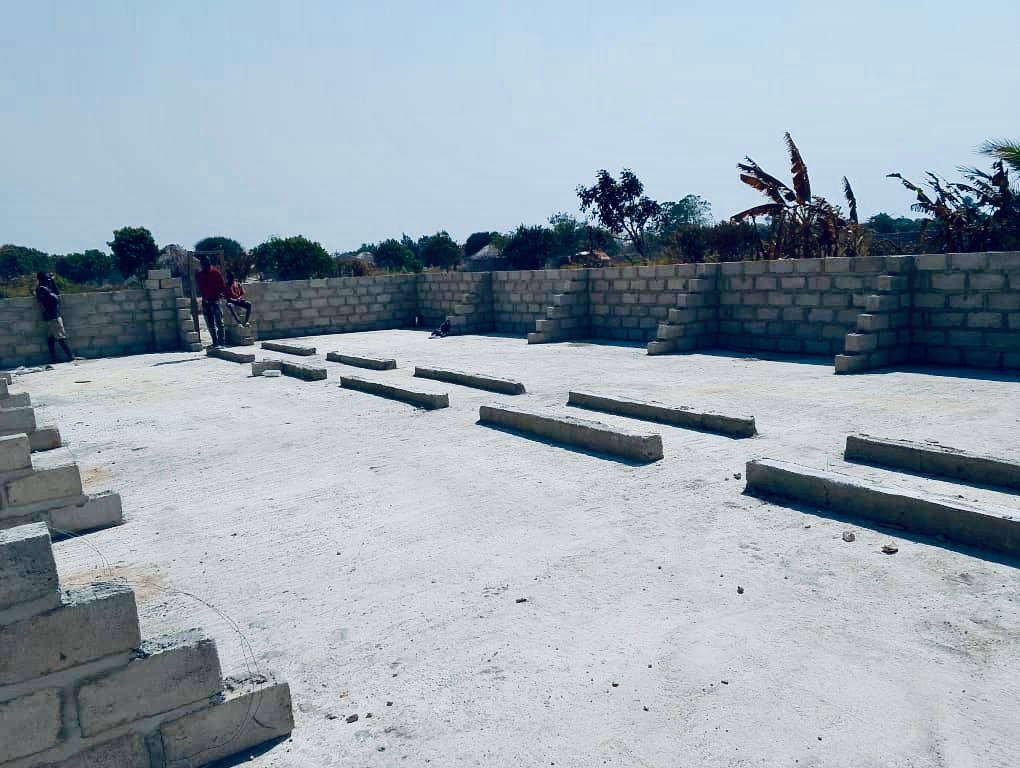
EXPANSION OF OUR PIGGERY UNIT: We are expanding our piggery operations to increase meat production, generate sustainable income, and secure a reliable supply of manure for organic fertiliser production. Currently, we are really small, operating with an initial breeding stock of five pregnant sows, five piglets, and one boar. The project will scale up herd size through the purchase of high-quality breeding and grower pigs. This expansion will allow the enterprise to achieve economies of scale, stabilise supply, and strengthen integration with on-farm feed production and bio-organic fertiliser processing, positioning piggery as a key engine of the integrated farming system.
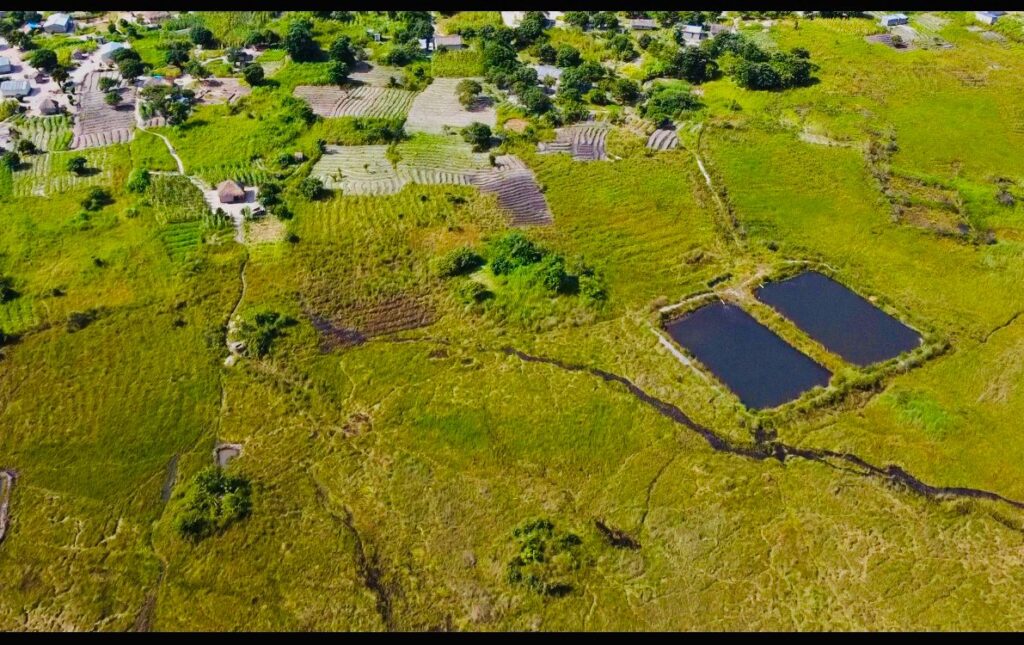
OPERATIONALISE FISH FARMING: To complete the pig–fish–crop integration model, we are operationalising our fish farming component to diversify income, improve access to affordable protein, and reduce pressure on Lake Bangweulu’s declining wild fisheries. Working in collaboration with the local fisheries department in Samfya, the project focuses on farming native tilapia species to preserve local genetic stock and prevent extinction. This initiative includes rehabilitating two existing fish ponds through improved lining, water management, and stocking systems, alongside the construction of two new ponds to expand production capacity and revive the region’s fish farming culture.
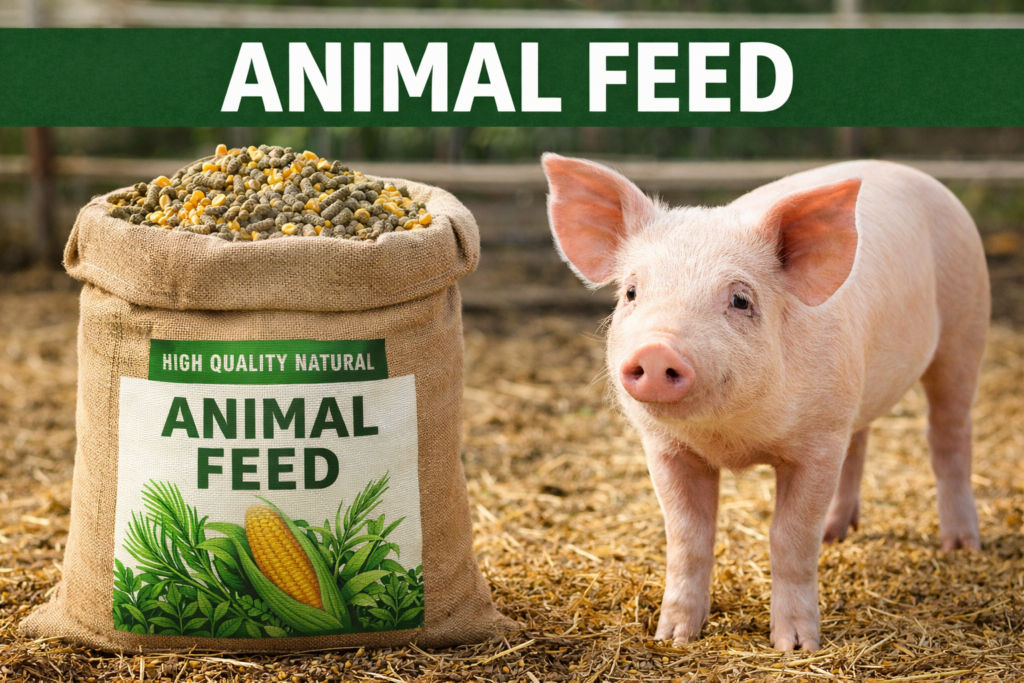
ANIMAL FEED PRODUCTION: Feed costs account for 70–90% of livestock production expenses, making them one of the biggest barriers to profitable livestock farming in Zambia. While large commercial farms often reduce costs through on-farm feed mixing, most small-scale farmers remain heavily dependent on expensive commercial feed. At Kalapula Agribusiness Ventures (KAbV), we are tackling this challenge by producing on-farm animal feed as part of our circular farming system. Currently, we produce about 60% of our feed using maize grown on our farm, blended with 40% commercially sourced concentrates, significantly reducing production costs while improving farm self-sufficiency.
As we scale, we aim to produce 100% of our livestock feed using locally sourced maize and agricultural residues, supplied partly through our smallholder outgrower network. With equipment such as a chaff cutter and small-scale feed granulator, we will convert underutilised crop residues including maize cobs into nutritious livestock feed. This initiative will reduce feed costs, minimise agricultural waste, create local employment, and provide affordable feed to neighbouring small-scale farmers, demonstrating how local feed production can support more resilient and sustainable livestock farming in Zambia.
ORGANIC FERTILIZER PRODUCTION: Zambia’s annual fertiliser consumption exceeds 600,000 metric tonnes (MT), yet organic fertilisers account for less than 1% of this total, as much of the fertiliser used in the country is imported chemical fertiliser, highlighting both the significant underdevelopment of the organic fertiliser subsector and the substantial opportunity to expand locally produced organic alternatives.
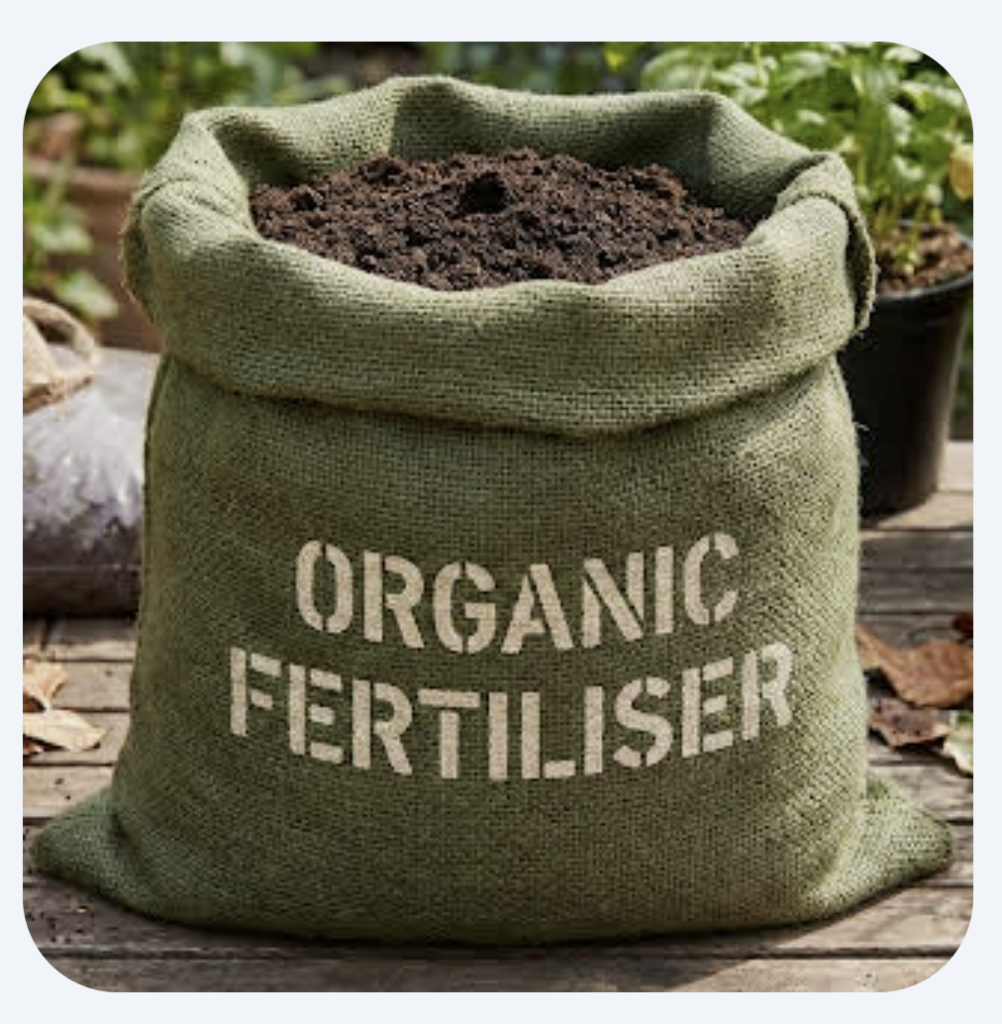
To address this gap, reduce dependence on costly chemical fertilisers, and restore soil health, Kalapula Agribusiness Ventures (KAbV) is developing on-farm bio-organic fertiliser as a key component of its circular farming system. We currently compost pig manure and crop residues, including maize stalks and other farm waste, using traditional methods, and the fertiliser is applied in our vegetable gardens and shared free of charge with neighbouring farmers to support soil restoration and food production.
However, traditional composting takes 3–6 months. With grant support, we plan to adopt modern technologies such as Aerobic Thermophilic Composting, which can process organic waste in just 7–10 days through high-temperature fermentation. This system improves nutrient retention, eliminates pathogens and weed seeds, stabilises nitrogen, reduces odour and emissions, and increases overall efficiency. By upgrading our process, we will scale production, improve fertiliser quality, and expand access for smallholder farmers, strengthening soil fertility, climate resilience, and long-term agricultural sustainability.
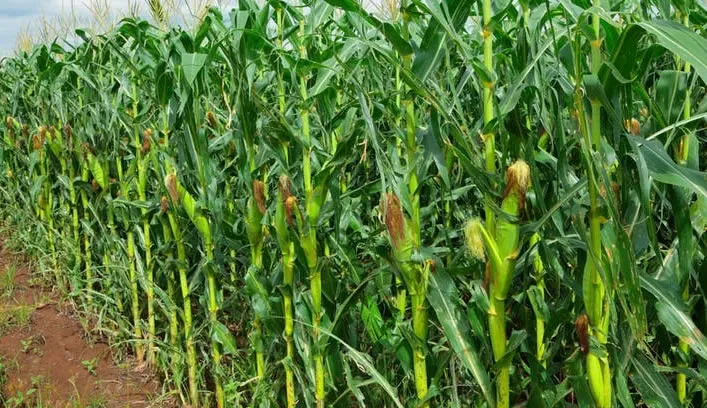
FARMERS OUTGROWER SCHEME: Working in Collaboration with the Ministry of Agriculture, we are establishing a small-scale farmers’ outgrower scheme to formalise partnerships with local smallholder farmers supplying maize and crop residues for feed production. The scheme will provide farmers with a guaranteed market, stable income, and technical support, strengthening local supply chains and improving resilience. By integrating farmers directly into the value chain, the project enhances local economic participation while ensuring consistent, high-quality inputs for feed and fertiliser production
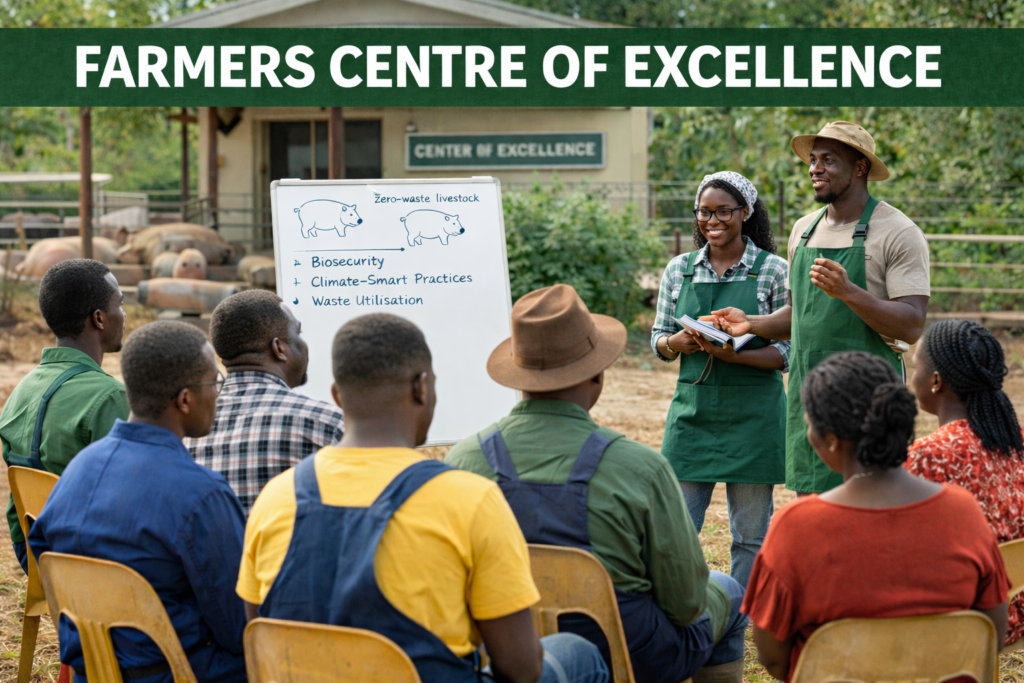
FARMER’S CENTRE OF EXCELLENCE: In collaboration with the Ministry of Agriculture, the Ministry of Fisheries and Livestock and other relevant organisations, we are developing the farm into a Farmers’ Centre of Excellence to serve as a practical demonstration and training hub for climate-smart and regenerative agriculture. Through structured, hands-on farmer field demonstrations and training programmes, the centre will support knowledge transfer and skills development in collaboration with government ministries, extension services, and research institutions. By leading through demonstration, the centre will provide a replicable proof of concept, empowering other farmers to transition from subsistence to commercial, sustainable farming systems.
Research & Innovation Partnerships
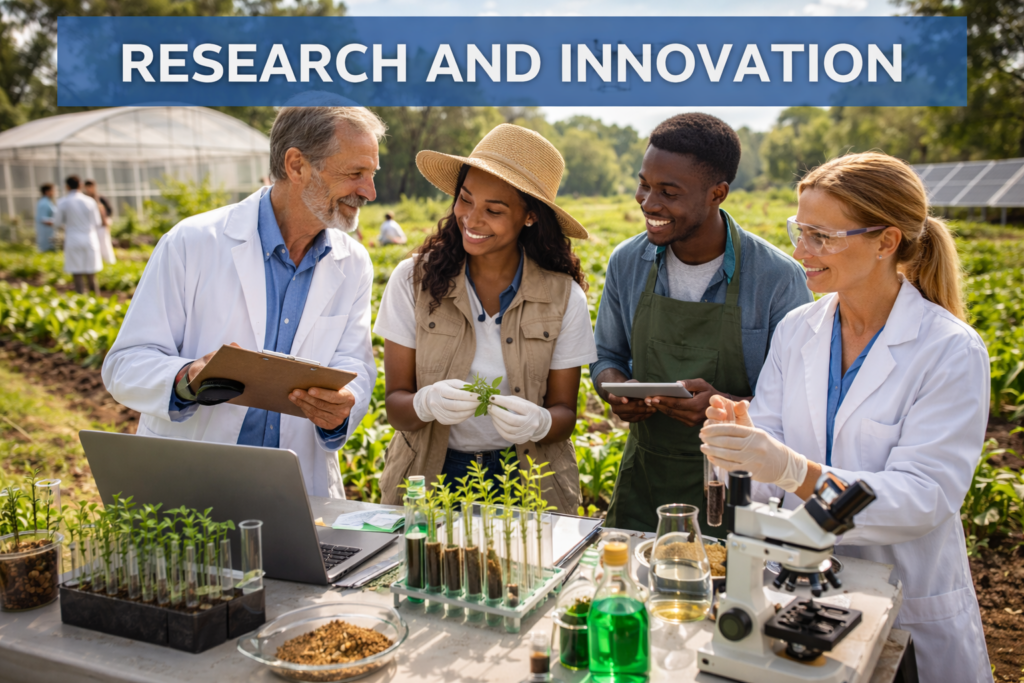
Kalapula Agribusiness Ventures (KAbV) is committed to advancing innovative, scalable agricultural solutions for small-scale farmers in Zambia through strategic research and international collaboration. Through local and international partnerships, we aim to pilot and adapt climate-smart and regenerative farming technologies to the Zambian context. This initiative will support research collaborations, field-based innovation trials, knowledge exchange programmes, and the introduction of circular economy technologies that improve productivity, strengthen climate resilience, and reduce environmental impact. By bridging local farming realities with global expertise, KAbV seeks to foster innovation-driven agriculture, develop practical climate adaptation solutions, and create scalable models that can be replicated across Zambia and beyond.