Our fish farm is a core component of our integrated, zero-waste circular farming system. We are currently rehabilitating and restocking two non-operational fish ponds, with plans to construct additional ponds as the enterprise grows. Bringing the fish farm back into operation will diversify farm income streams, support stable, year-round employment, and reduce pressure on depleted wild fisheries, contributing to the long-term recovery of fish stocks in Lake Bangweulu.
Beyond production, the fish farm plays an important role in revitalising the local economy. Samfya was historically the main economic centre for fisheries in the region and a major fish trading hub. Although fishing remains deeply embedded in the local culture, declining wild stocks have weakened livelihoods over time. By expanding sustainable aquaculture, we aim to help restore the fish economy of Samfya while promoting environmentally responsible production methods.
Due to this strong fishing heritage, there is already well-established market access and sustained demand for fish protein in both local and regional markets. Our project is designed to build on this existing demand, supplying farmed fish to meet market needs while supporting conservation efforts and long-term economic resilience.
Within the integrated zero-waste system, the fish ponds will be fertilised using pig manure from our pig farm or processed organic fertiliser derived from pig waste. This approach stimulates natural plankton growth, providing a natural food source for fish and significantly reducing dependence on commercial fish feed. In addition, any fish waste, including fish scraps, bones, and mortalities will be recycled as ingredients in pig feed, maintaining a closed-loop system in which resources are continuously reused and waste is minimised.
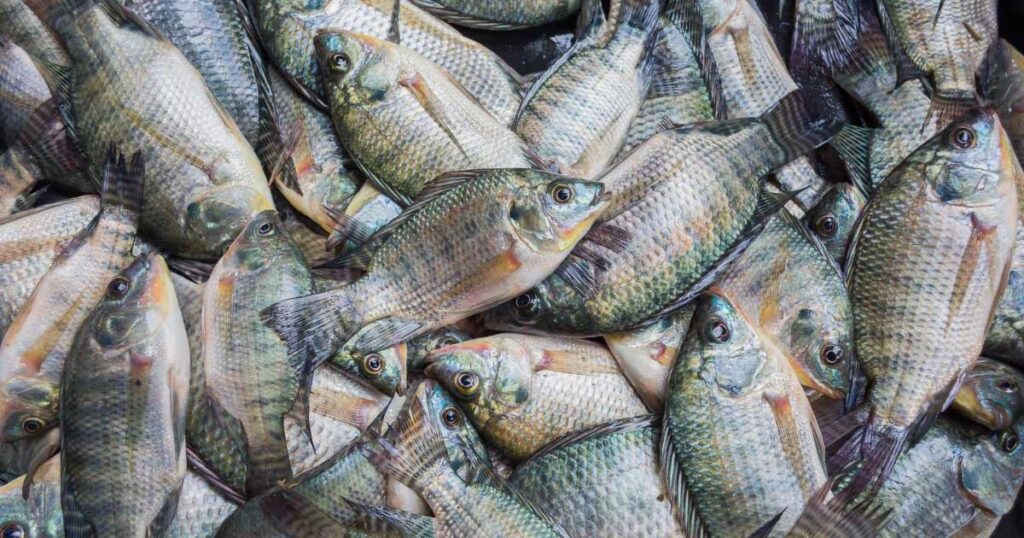
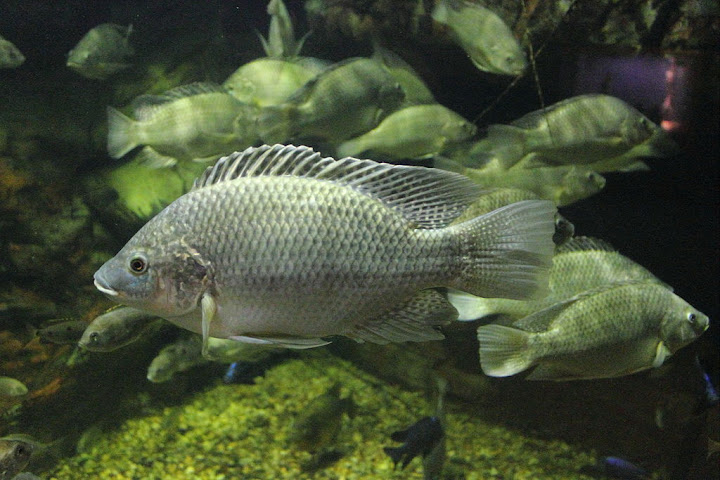
Tilapia is our species of choice, as it aligns perfectly with KAbV’s circular farming model. It is the most widely farmed fish species in Zambia, valued for its rapid growth, adaptability to local water conditions, and ability to thrive on predominantly plant-based feed. Tilapia is also the most preferred fish species in the country, with strong consumer acceptance and consistent market demand.