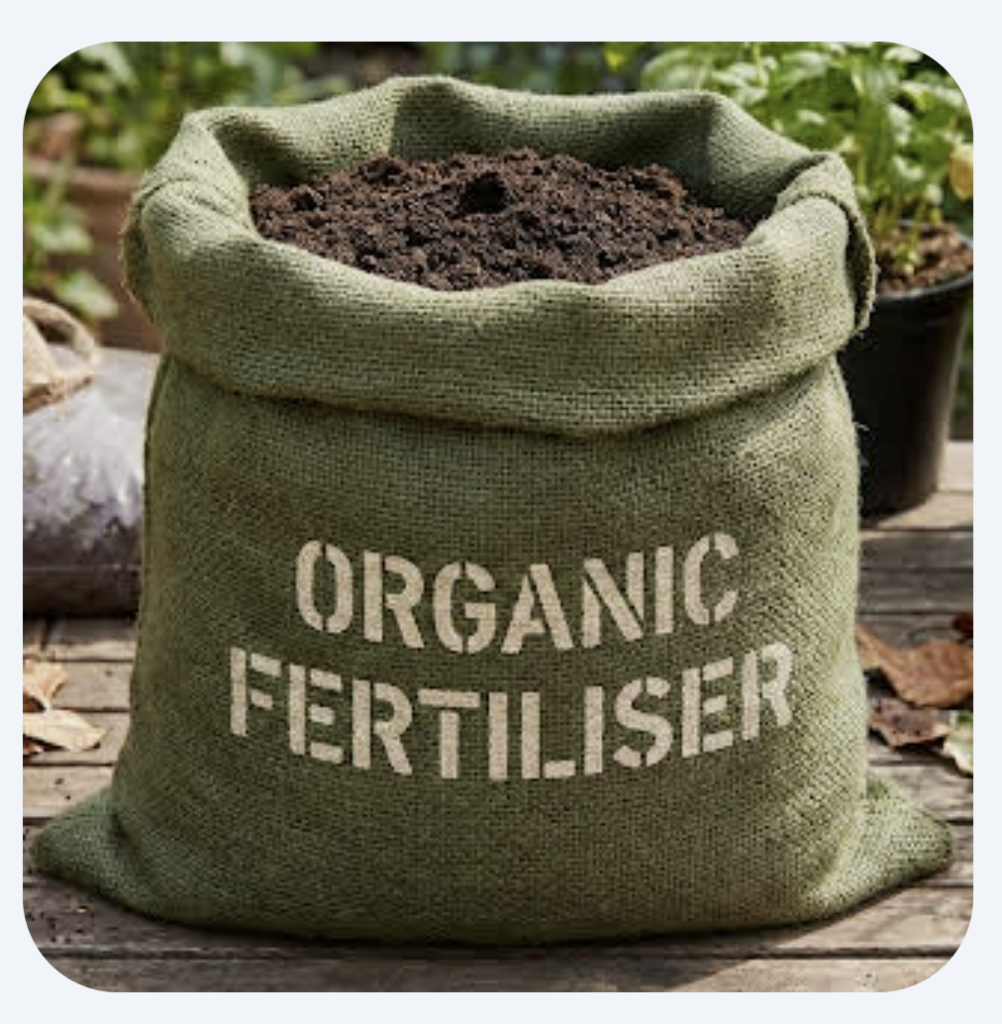
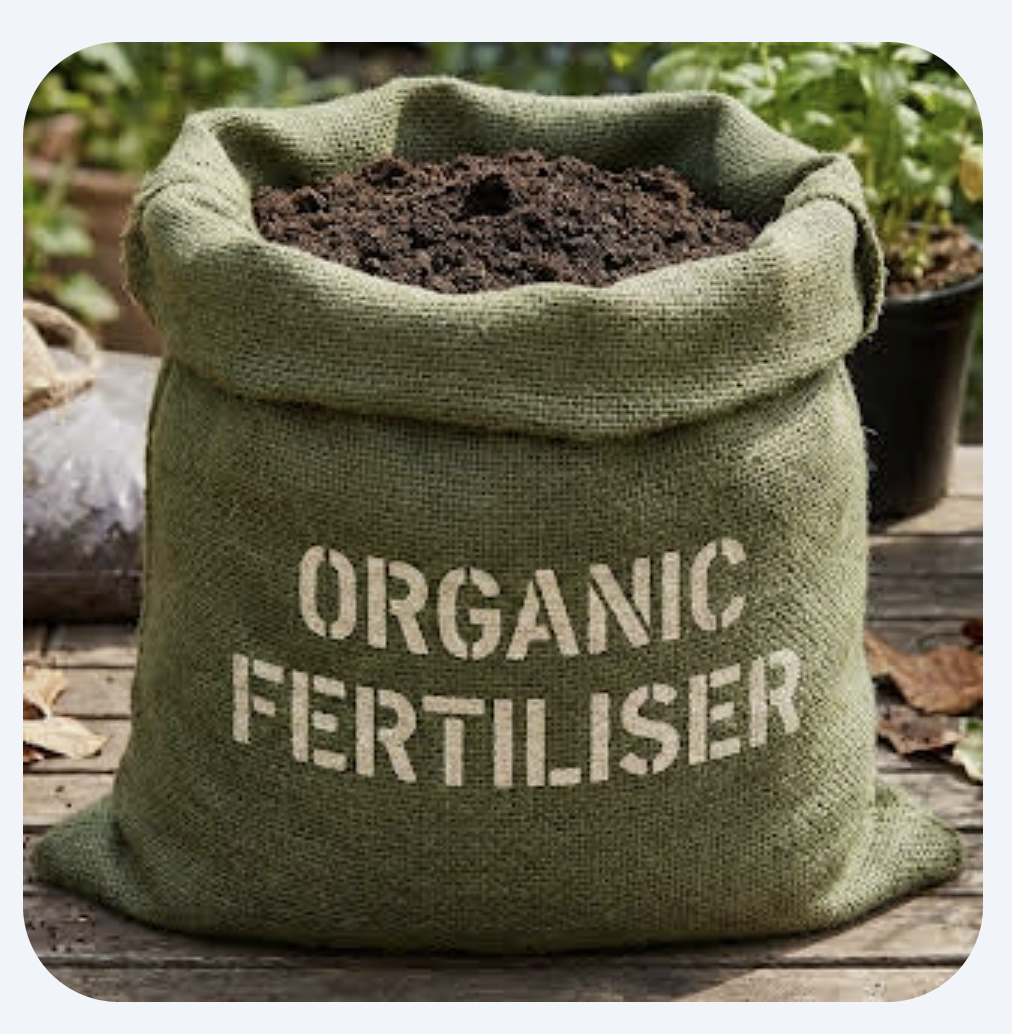
KAbV is also committed to sustainable soil regeneration. Using pig manure from our farms, we plan to produce bio-organic fertilizer that is safe, affordable, and nutrient-rich. By supplying farmers with this alternative to expensive chemical fertilizers, we aim to reduce input costs, improve soil health, and restore land degraded by chemical-intensive farming practices.
Zambia’s annual fertiliser consumption exceeds 600,000 metric tonnes (MT), yet organic fertilisers account for less than 1% of this total, as much of the fertiliser used in the country is imported chemical fertiliser, highlighting both the significant underdevelopment of the organic fertiliser subsector and the substantial opportunity to expand locally produced organic alternatives.
To address this gap, reduce dependence on costly chemical fertilisers, and restore soil health, Kalapula Agribusiness Ventures (KAbV) is developing on-farm bio-organic fertiliser as a key component of its circular farming system. We currently compost pig manure and crop residues, including maize stalks and other farm waste, using traditional methods, and the fertiliser is applied in our vegetable gardens and shared free of charge with neighbouring farmers to support soil restoration and food production.
However, traditional composting takes 3–6 months. With grant support, we plan to adopt modern technologies such as Aerobic Thermophilic Composting, which can process organic waste in just 7–10 days through high-temperature fermentation. This system improves nutrient retention, eliminates pathogens and weed seeds, stabilises nitrogen, reduces odour and emissions, and increases overall efficiency. By upgrading our process, we will scale production, improve fertiliser quality, and expand access for smallholder farmers, strengthening soil fertility, climate resilience, and long-term agricultural sustainability.
PROJECT: ORGANIC FERTILISER PRODUCTION
Zambia’s annual fertiliser consumption exceeds 600,000 metric tonnes (MT), yet organic fertilisers account for less than 1% of this total, as much of the fertiliser used in the country is imported chemical fertiliser, highlighting both the significant underdevelopment of the organic fertiliser subsector and the substantial opportunity to expand locally produced organic alternatives.
To address this gap, reduce dependence on costly chemical fertilisers, and restore soil health, Kalapula Agribusiness Ventures (KAbV) is developing on-farm bio-organic fertiliser as a key component of its circular farming system. We currently compost pig manure and crop residues, including maize stalks and other farm waste, using traditional methods, and the fertiliser is applied in our vegetable gardens and shared free of charge with neighbouring farmers to support soil restoration and food production.
However, traditional composting takes 3–6 months. With grant support, we plan to adopt modern technologies such as Aerobic Thermophilic Composting, which can process organic waste in just 7–10 days through high-temperature fermentation. This system improves nutrient retention, eliminates pathogens and weed seeds, stabilises nitrogen, reduces odour and emissions, and increases overall efficiency. By upgrading our process, we will scale production, improve fertiliser quality, and expand access for smallholder farmers, strengthening soil fertility, climate resilience, and long-term agricultural sustainability.