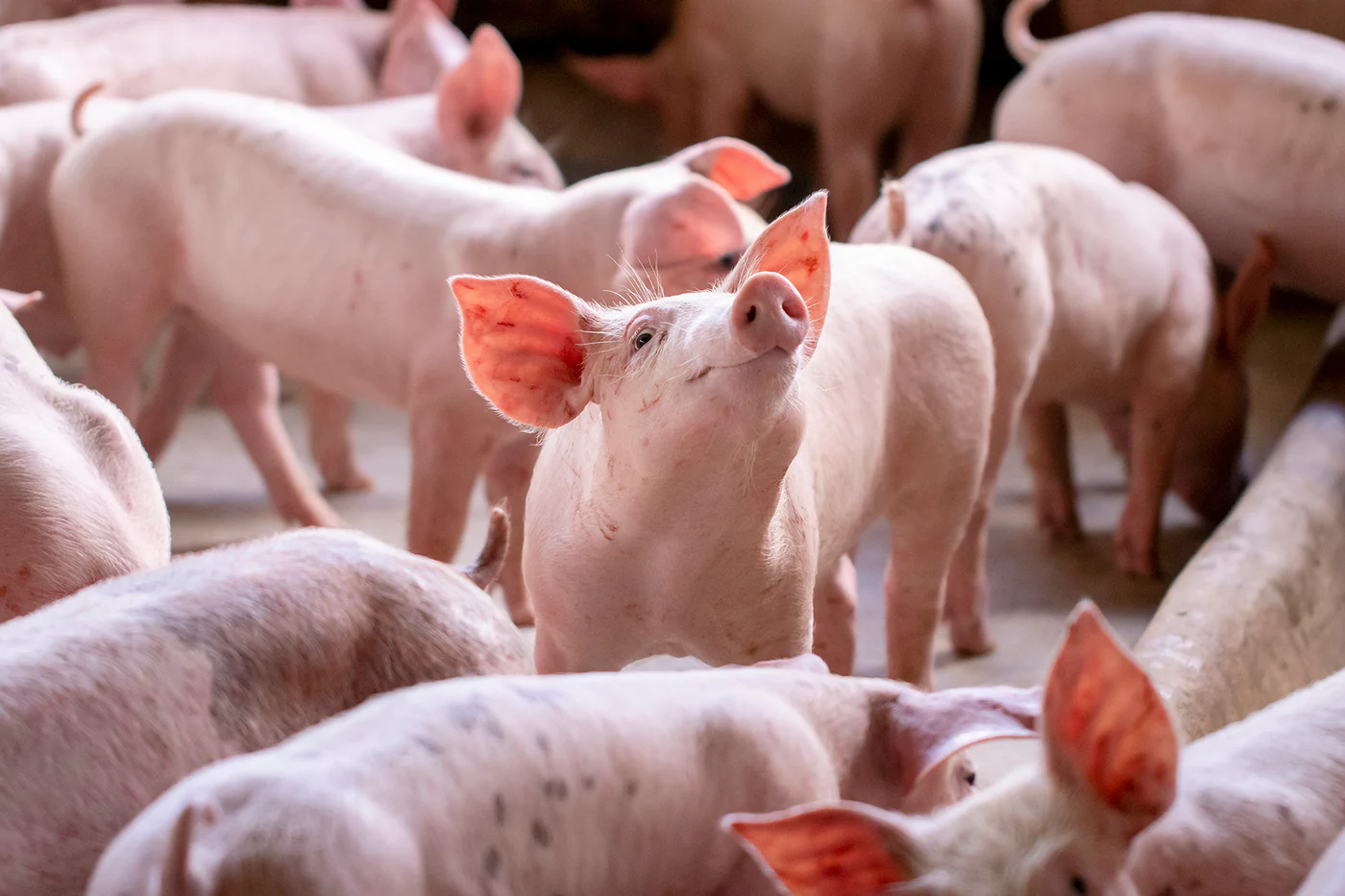
We are a for-profit agribusiness building an integrated, circular agricultural hub centered on demonstration and practical training, equipping farmers, fisherfolk, women, youth, and people with disabilities with practical, hands-on skills in fish farming, livestock management, and sustainable agriculture, as well as turning agricultural wastes and farm by-products into organic fertiliser and animal feed, while providing our graduates with affordable inputs and market access to help them transition from subsistence to sustainable, commercial agriculture. We believe people learn best by doing, not just through theory.
Our Mission and Vision
Vision: To be Zambia’s leading model of integrated agribusiness, where circular, zero-waste farming system drives a resilient economy, restores environmental health, and creates shared prosperity.
Mission: To establish a practical demonstration and training hub that equips communities with skills, affordable farm inputs, and market access, enabling farmers to transition from subsistence to sustainable, commercial agriculture while restoring Samfya’s fish economy and help reduce poverty and economic inequality.
The Problem
Imagine a town so rich in fish that survival required only one thing: washing your dishes. The elders always said, “Just wash your dishes, fish will always be there.” That town was Samfya. Its name literally means “to wash.” Today, Samfya tells a different story. A story of depleted fish stocks in Lake Bangweulu due to overdependence and unsustainable fishing, simply because abundance was mistaken for infinity. What was once abundance is now scarcity, resulting in widespread poverty, nutritional deficiencies, and the loss of Samfya’s traditional fish economy.
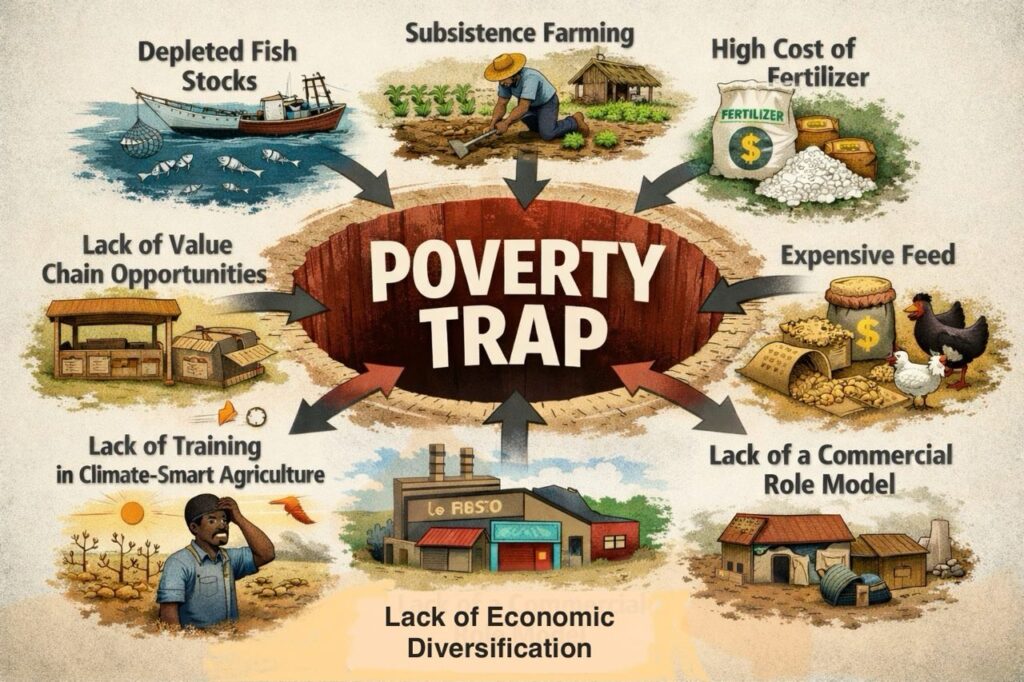
As fishing has become less viable, communities have shifted to agriculture but remain trapped in low-productivity subsistence farming. This is driven by:
- High costs of animal feed and chemical fertilisers (accounting for up to 70–80% of production costs)
- Soil degradation and declining fertility
- Limited access to practical, hands-on agricultural training
- Weak market linkages and underdeveloped value chains
Compounding these challenges is the absence of industries, commercial farms, and strong role models, leaving few employment opportunities beyond small-scale trade and government jobs. As a result, many households continue to depend on unsustainable fishing practices for survival, further accelerating the depletion of natural resources.
Our Solution
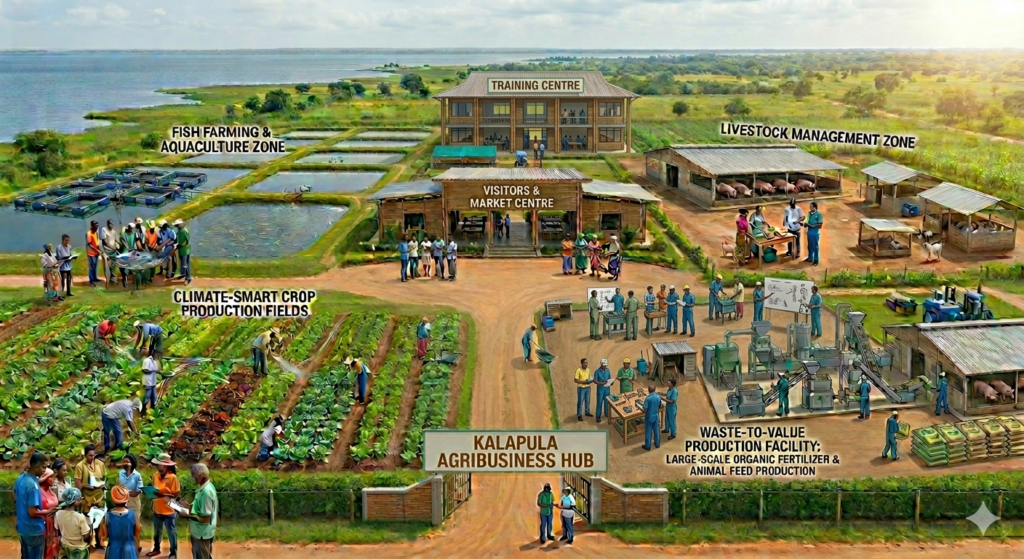
Our Integrated Hub Model: We aim to solve the poverty trap through our integrated, circular agricultural demonstration and practical training hub, where production, learning, and enterprise development are combined into one system.
Our hub serves two core functions:
1. Commercial Production Hub
A revenue-generating system producing fish, livestock, crops, feed, and fertiliser.
2. Demonstration & Training Center
A hands-on learning environment where participants learn by doing through real, working units such as:
Fish ponds and cage systems
Piggery units
Crop production fields
Impact & Sustainability
While KAbV operates a profitable circular production system, our mission is fundamentally rooted in the socio-economic development of Samfya. We believe that by creating a Shared Value model, our commercial success becomes the engine that drives community transformation.
🌍 Planet: Environmental Stewardship
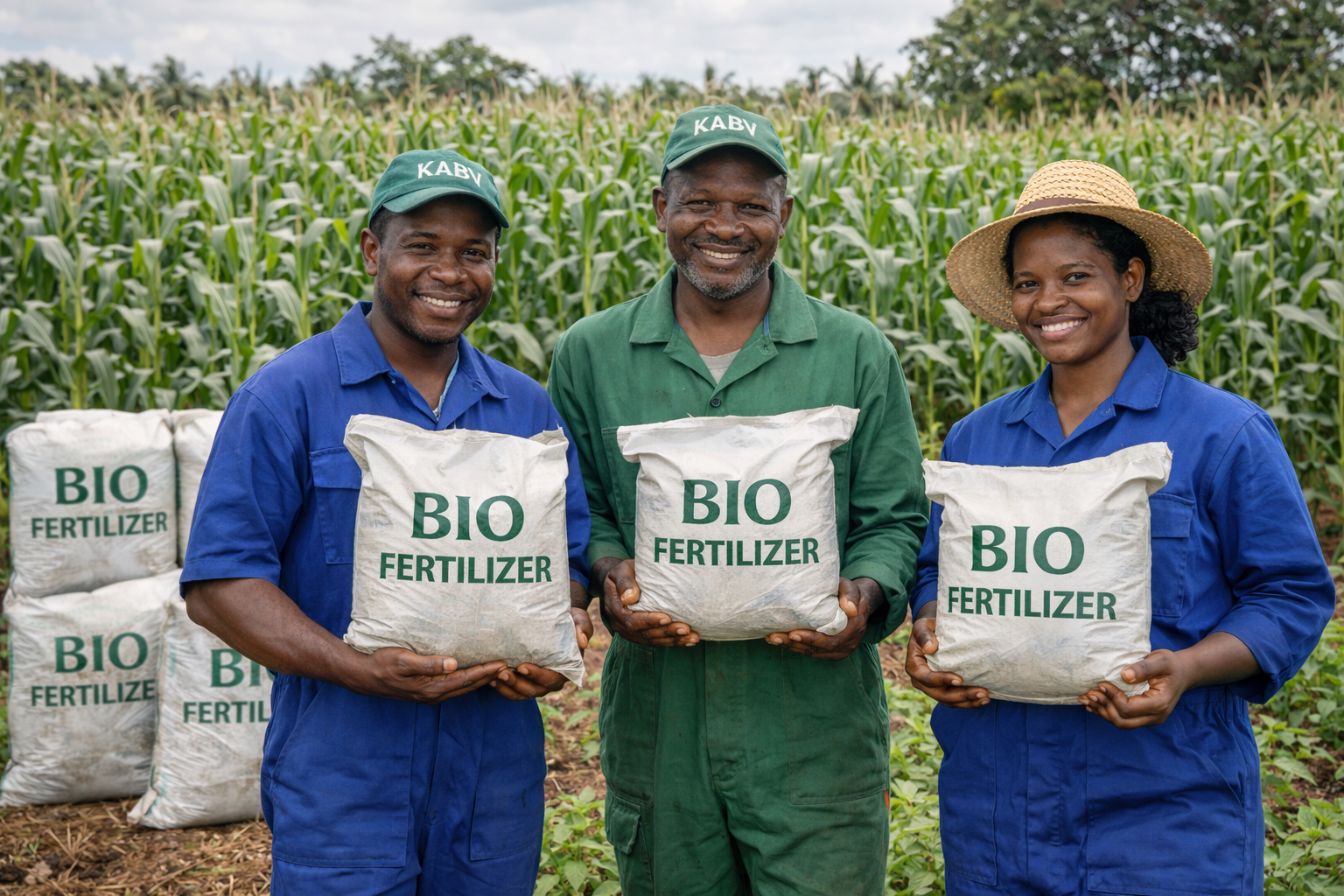
Our system is designed to work with nature, not against it, through a closed-loop Integrated Circular and regenerative Economy.
- Zero-Waste Operations: Through a closed-loop, circular farming system that links piggery, fishery, and crop production, we convert all organic waste into valuable inputs, reducing environmental pollution, cutting reliance on synthetic inputs, and restoring soil, water, and ecosystem health while lowering production costs.
- Soil Regeneration: We manufacture and promote the use of affordable bio-fertilisers made from pig manure, replacing synthetic chemicals and restoring the long-term health of the soil.
- Relieving Pressure on Lake Bangweulu: Our intensive, land-based aquaculture offers a sustainable alternative to wild fishing, allowing the lake’s natural ecosystems to recover.
- Climate-Smart & Resource-Efficient Farming: Our integrated system promotes climate-smart agriculture by recycling nutrients, and reducing reliance on external inputs.
👥 People: Empowering the Community
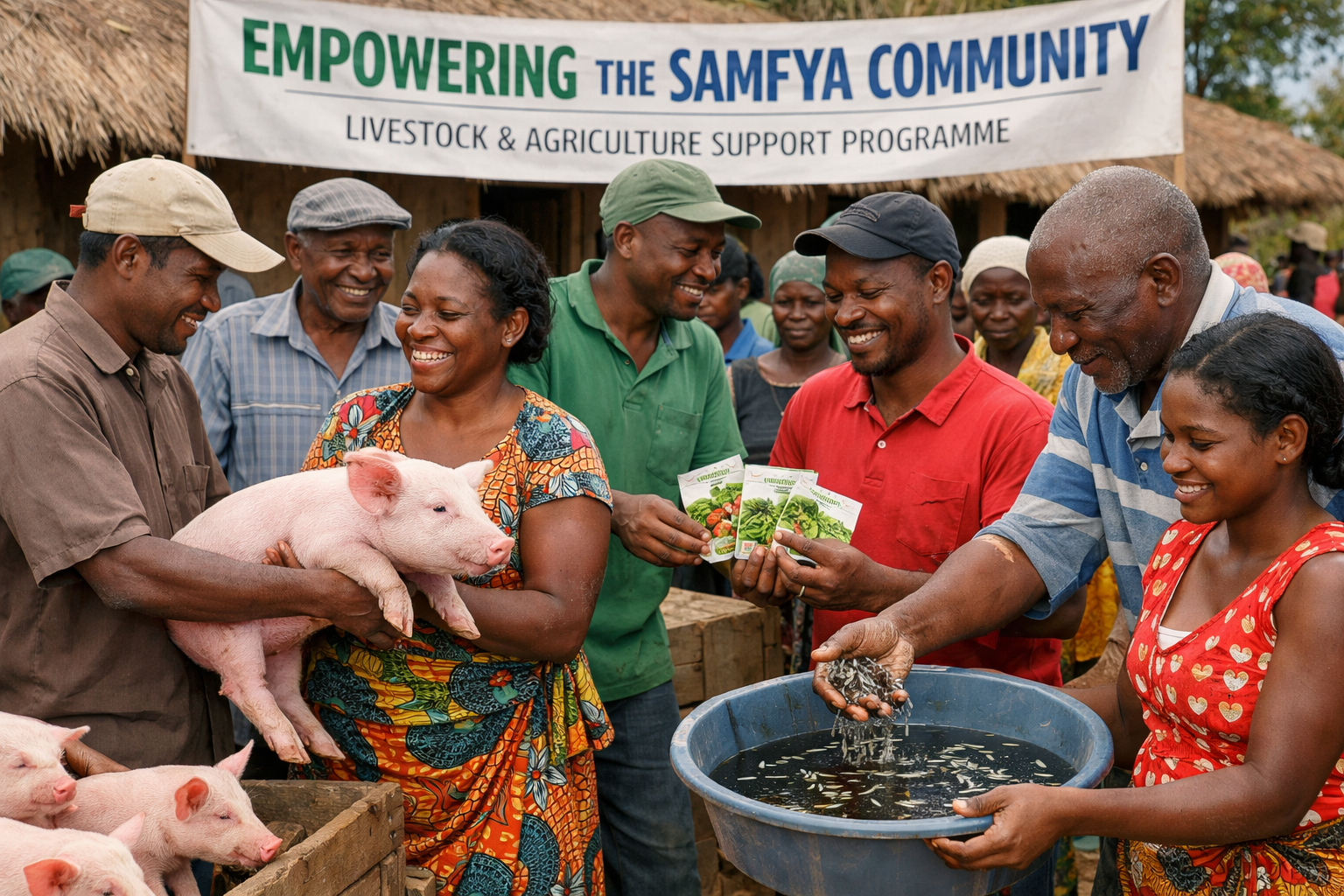
We are committed to turning subsistence farming into sustainable entrepreneurship.
- Building a Centre of Excellence: Our facility will serve as a training hub, providing local farmers, youth, and women with crucial skills in integrated piggery, aquaculture, and regenerative agriculture.
- Farmer Outgrower Scheme: This is designed to provide a reliable market for maize and Azolla from local farmers through the outgrower scheme, integrating smallholders into a structured, professional value chain, improving income stability and market access.
- Community Starter Pack Program: This program is structured to empower vulnerable, women-led households through a “pass-on” model that combines starter packs of piglets and fingerlings with hands-on training, strengthening household livelihoods and building long-term farming capacity within the community.
- Nutritional Security: By restoring Samfya’s heritage as a fishing hub, we ensure a stable, affordable supply of animal protein for local families
📈 Profit: Economic Benefits for Farmers
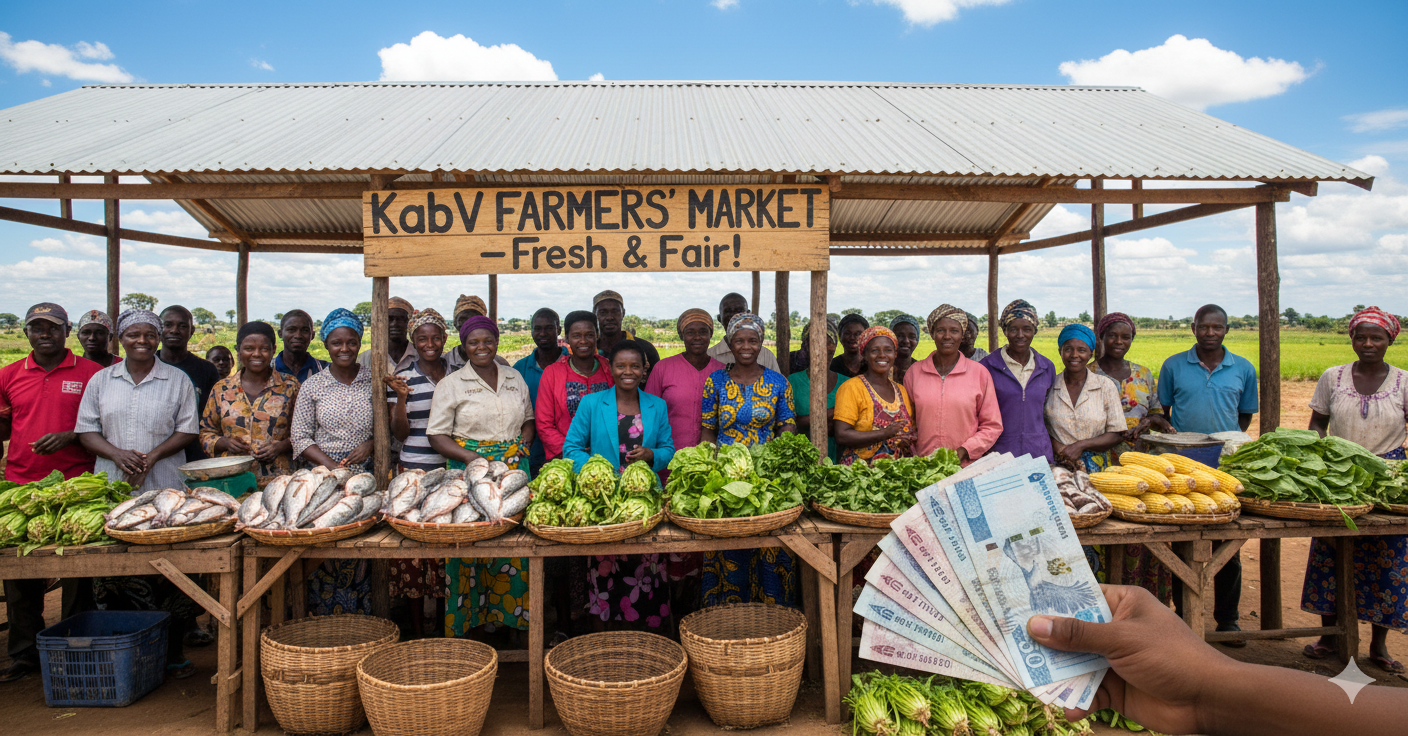
We prove that eco-friendly farming is more profitable than conventional methods.
- Job Creation & Inclusion: Our integrated circular farming system creates local employment opportunities while intentionally empowering women, youth, and persons with disabilities through skills development and participation across the value chain.
- Production Cost Reductions: By converting waste into affordable feed and bio-fertilisers and applying regenerative agriculture practices, we significantly lower production costs that often trap smallholder farmers in poverty.
- Increased Farmer Revenue & Market Access: As farmers transition from subsistence to commercial production, they benefit from higher yields, better value chain integration, and improved access to structured markets.
- Multiple Income Streams: Our integrated pig–fish–crop system enables diversified revenue streams, strengthening economic resilience against market shocks.